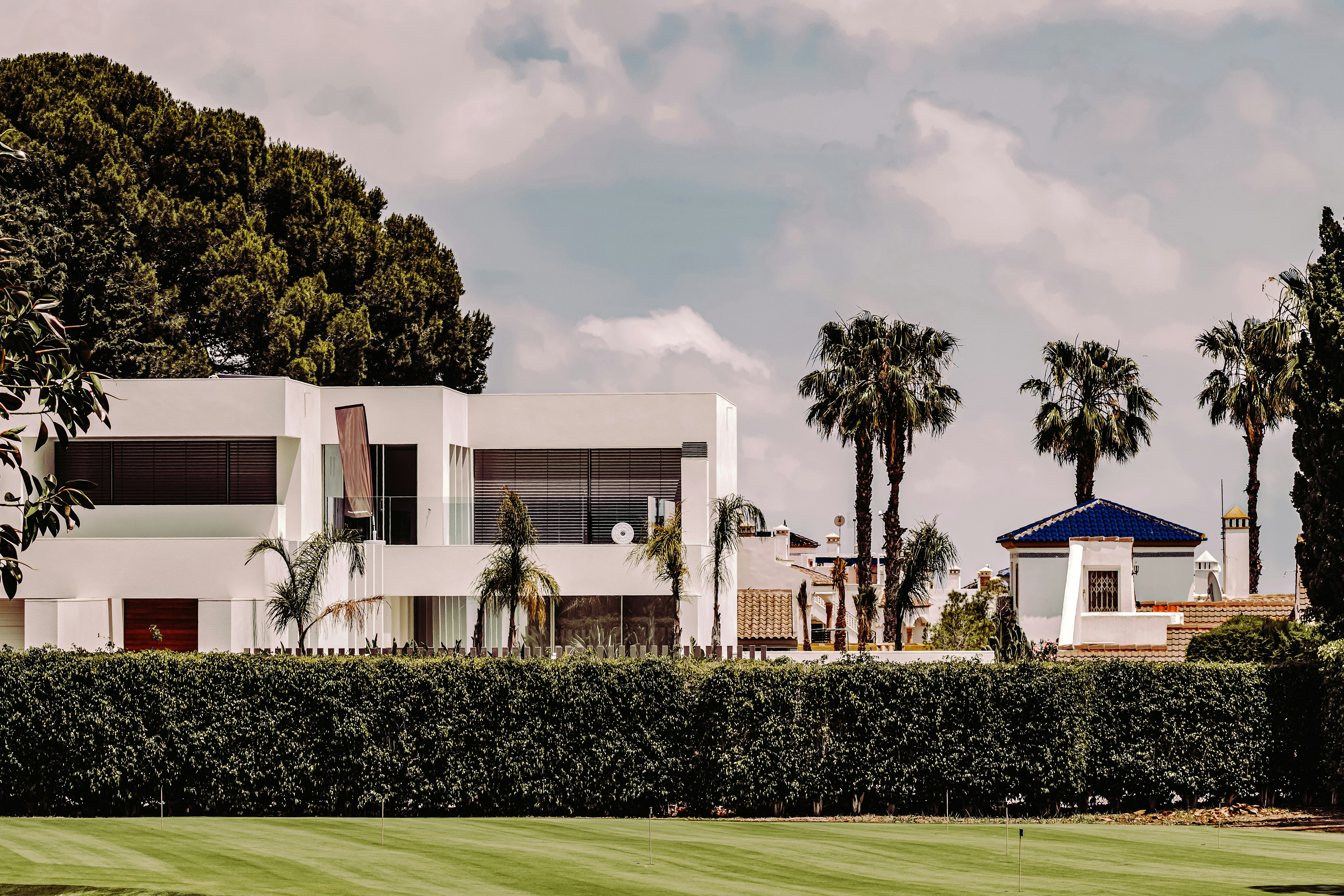
Buying an off-plan property in Spain has become increasingly popular among international buyers looking for modern homes, attractive payment plans and strong investment potential. From luxury beachfront apartments on the Costa del Sol to golf villas in exclusive resorts, off-plan developments offer some of the best opportunities in the Spanish property market.
However, purchasing a property before it has been completed requires careful planning and a clear understanding of the process.
In this guide, we explain everything you need to know about buying off-plan property in Spain, including the benefits, risks, legal protections, costs and key steps involved.
What Does Off-Plan Property Mean?
An off-plan property is a home purchased directly from a developer before construction has been completed. In some cases, buyers reserve a property before construction even begins.
Off-plan properties typically include:
Apartments
Penthouses
Townhouses
Semi-detached homes
Detached villas
Luxury resort residences
The buyer agrees to purchase the property based on architectural plans, floor plans, specifications and computer-generated images.
Once construction is completed, ownership is transferred through a public deed before a Spanish notary.
Why Are Off-Plan Properties So Popular?
Many buyers choose new developments because they offer advantages that are difficult to find in older resale properties.
Modern Design and Technology
New-build homes are designed according to modern standards and typically include:
Open-plan living areas
Large terraces
Energy-efficient systems
Smart home technology
Modern kitchens
Contemporary bathrooms
Underground parking
Storage rooms
Community facilities
Buyers benefit from a home that is ready to move into without the need for renovation.
Better Energy Efficiency
Spain has introduced increasingly strict energy regulations for new homes.
Most off-plan developments include:
High-quality insulation
Double or triple glazing
Aerothermal systems
Solar energy support
Efficient air conditioning systems
This reduces long-term running costs and improves environmental sustainability.
Flexible Payment Plans
One of the biggest advantages of buying off-plan is the staged payment structure.
Instead of paying the full purchase price immediately, buyers usually make payments throughout the construction period.
A typical payment schedule may include:
Reservation deposit
Private purchase contract payment
Stage payments during construction
Final payment upon completion
This allows buyers to spread the investment over several years.
Potential Capital Growth
Buying early in a development often provides access to the best prices.
As construction progresses and demand increases, developers frequently raise prices.
Many investors benefit from capital appreciation before completion, particularly in high-demand areas such as:
Marbella
Estepona
Casares
Sotogrande
Benahavís
Mijas Costa
The Off-Plan Buying Process in Spain
Step 1: Choose the Right Development
Research is essential.
Consider factors such as:
Location
Developer reputation
Completion timeline
Views
Facilities
Rental potential
Future resale value
Working with an experienced local real estate agent can help identify developments that match your goals and budget.
Step 2: Reserve the Property
Once you have selected a property, you will normally sign a reservation agreement.
The reservation fee is commonly between €6,000 and €20,000 depending on the project.
This removes the property from the market while legal checks are completed.
Step 3: Legal Due Diligence
An independent lawyer should review all documentation.
Important checks include:
Building licence
Land registry information
Planning permissions
Developer credentials
Bank guarantees
Purchase contract terms
Never rely solely on the developer's representatives.
Step 4: Sign the Private Purchase Contract
After legal checks have been completed, buyers usually sign a private purchase contract.
At this stage, an additional payment is made, commonly bringing total payments to around 20% to 40% of the purchase price.
The contract should clearly specify:
Property details
Payment schedule
Completion date
Included extras
Penalties for delays
Bank guarantee information
Step 5: Construction Period
During construction, buyers may receive progress updates, photos and site visits.
Some developers allow customization options such as:
Flooring choices
Kitchen finishes
Bathroom materials
Interior upgrades
Step 6: Completion and Title Deed
When construction is finished, the developer obtains:
First Occupation Licence (where applicable)
Completion certificates
Utility connections
The buyer then signs the title deed before a Spanish notary and pays the remaining balance.
Ownership is officially transferred and registered.
Are Buyer Deposits Protected?
Spanish law provides significant protection for off-plan buyers.
Developers are generally required to secure buyers' stage payments through bank guarantees or insurance policies.
These protections help ensure that funds can be recovered if the development is not completed under the agreed conditions.
Your lawyer should verify that all required guarantees are in place before any payments are made.
Costs of Buying Off-Plan Property in Spain
In addition to the purchase price, buyers should budget for taxes and acquisition costs.
VAT (IVA)
New-build properties are subject to VAT.
Current rates are generally:
10% VAT on residential properties
21% VAT on parking spaces purchased separately in some cases
Stamp Duty (AJD)
Stamp Duty varies depending on the region.
Rates generally range from approximately 0.5% to 1.5%.
Legal Fees
Typically around 1% of the purchase price plus VAT.
Notary and Land Registry Fees
Usually a few thousand euros depending on property value.
Mortgage Costs
If financing is required, additional costs may apply.
A safe estimate is to budget approximately 12% to 15% above the purchase price.
Risks of Buying Off-Plan
While off-plan property can be an excellent investment, buyers should understand the potential risks.
Construction Delays
Delays can occur due to:
Weather conditions
Material shortages
Labour issues
Administrative processes
Completion dates should always be viewed as estimates.
Changes to Specifications
Developers may occasionally modify materials or layouts due to technical requirements.
Your lawyer should review contractual protections regarding specifications.
Market Fluctuations
Property values can move both up and down during the construction period.
Buyers should focus on long-term value rather than short-term market changes.
Developer Risk
Choosing an established developer with a strong track record reduces risk significantly.
Always investigate the developer's previous projects.
Best Areas for Buying Off-Plan Property in Spain
Some of Spain's strongest new-build markets include:
Costa del Sol
The most popular destination for international buyers.
Key locations include:
Marbella
Estepona
Casares
Finca Cortesin
Benahavís
Sotogrande
Mijas Costa
Costa Blanca
Popular with Northern European buyers seeking excellent value and year-round sunshine.
Alicante Province
Strong demand for both holiday homes and investment properties.
Balearic Islands
Premium developments in Mallorca and Ibiza continue attracting luxury buyers.
Is Buying Off-Plan a Good Investment?
For many buyers, the answer is yes.
Off-plan properties often offer:
Lower launch prices
Capital appreciation during construction
Modern features
Energy efficiency
Strong rental appeal
Reduced maintenance costs
However, success depends on selecting the right location, developer and project.
Tips for International Buyers
Before purchasing an off-plan property in Spain:
Use an independent lawyer
Verify all licences and permits
Confirm deposit guarantees
Research the developer
Understand all payment obligations
Calculate total purchase costs
Consider future resale demand
Review mortgage options early
Proper preparation significantly reduces risk and improves the buying experience.
See also Casares Costa Property Market Guide


